
The Art & Science of Hair Transplant
A comprehensive guide to understanding hair loss, the science behind successful restoration, and the advanced techniques that create natural, lifelong results. Rediscover your confidence with the perfect blend of artistry and medical precision.
Why Does Hair Loss Happen?
Hair loss is a complex process, primarily driven by genetics and hormones. Understanding the fundamentals is the first step toward finding the right solution and reversing the clock.
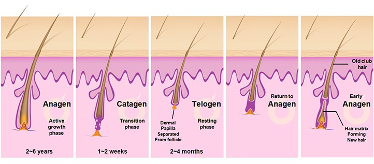
The Hair Growth Cycle
Every hair on your body goes through a cycle: a Growth Phase (Anagen), a Stationary Phase (Catagen), and a Falling Phase (Telogen). Normal hair fall of 50-100 hairs daily is just part of this natural renewal process.
The Role of DHT
The primary culprit in genetic hair loss is Dihydrotestosterone (DHT), an active form of testosterone. DHT shortens the hair's growth phase in susceptible follicles, causing them to shrink (a process called miniaturization) until they stop producing visible hair.
Other Contributing Factors
Beyond genetics, factors like smoking, poor diet, stress, vitamin deficiencies (Iron, Vitamin D), and harsh hair treatments can accelerate or contribute to hair loss in both men and women.
The Science of a Lasting Transplant
Hair transplantation isn't magic; it's a precise medical procedure rooted in a key scientific principle: the 'Permanent Donor Zone'. This is why a well-performed transplant succeeds for life.
The "Permanent Zone" Concept
Even on the baldest head, a resilient band of hair remains at the back and sides. This is the permanent or "donor" zone. Hair follicles in this area are genetically resistant to the effects of DHT that cause hair loss elsewhere.
Donor Dominance
When hair from this permanent zone is carefully harvested and moved to a balding area (the recipient zone), it retains its genetic programming. It continues to resist DHT and will grow for a lifetime, just as it would have in its original location.
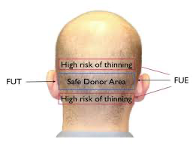
Modern Hair Transplant Techniques
From traditional methods to robotic precision, choosing the right technique is crucial. The best approach depends on your hair quality, degree of loss, and desired outcome. The skill of the surgeon, not just the technique, determines the final result.
Are You a Candidate?
The journey begins with a thorough consultation to assess your unique situation and set clear, achievable expectations. Planning is the key to a successful outcome that you'll love for years to come.
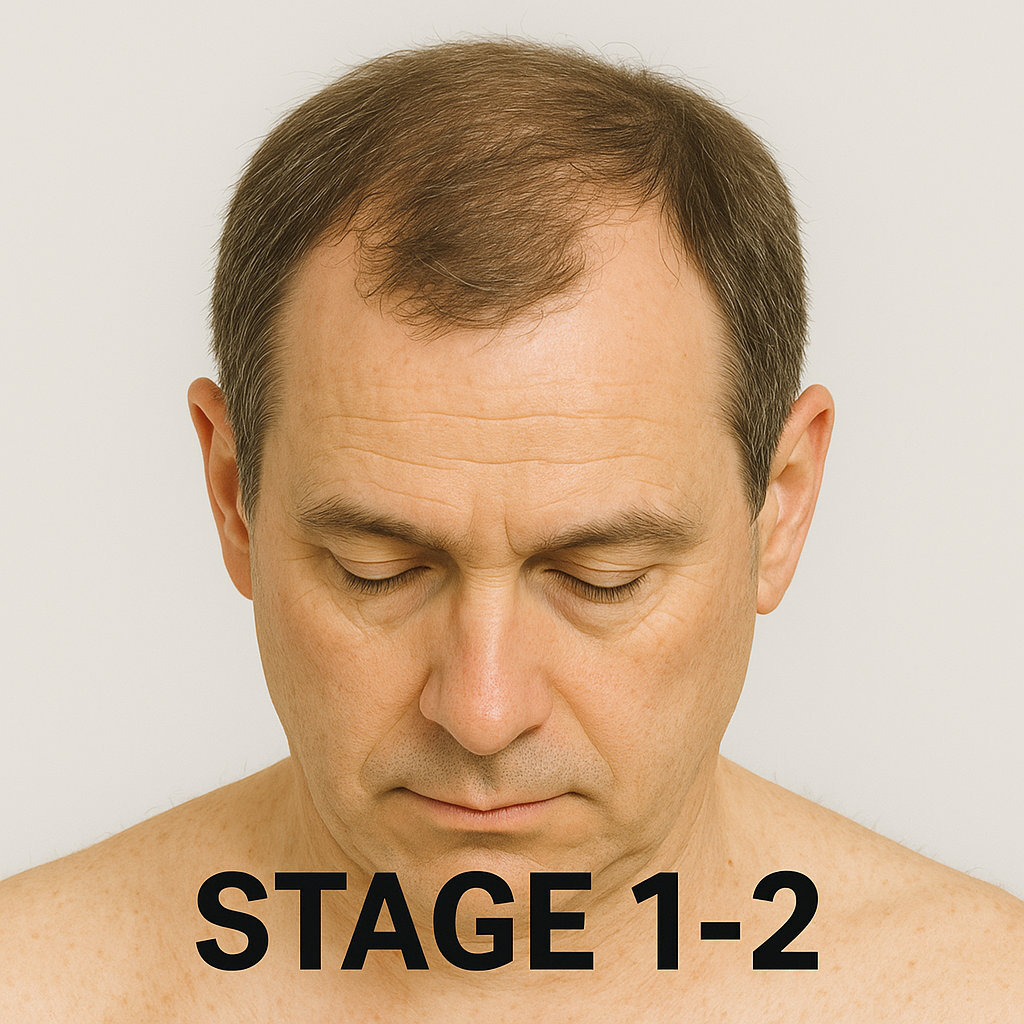
Grade 1-2
Early stages. Often managed medically. Transplant considered for ~2500+ grafts.
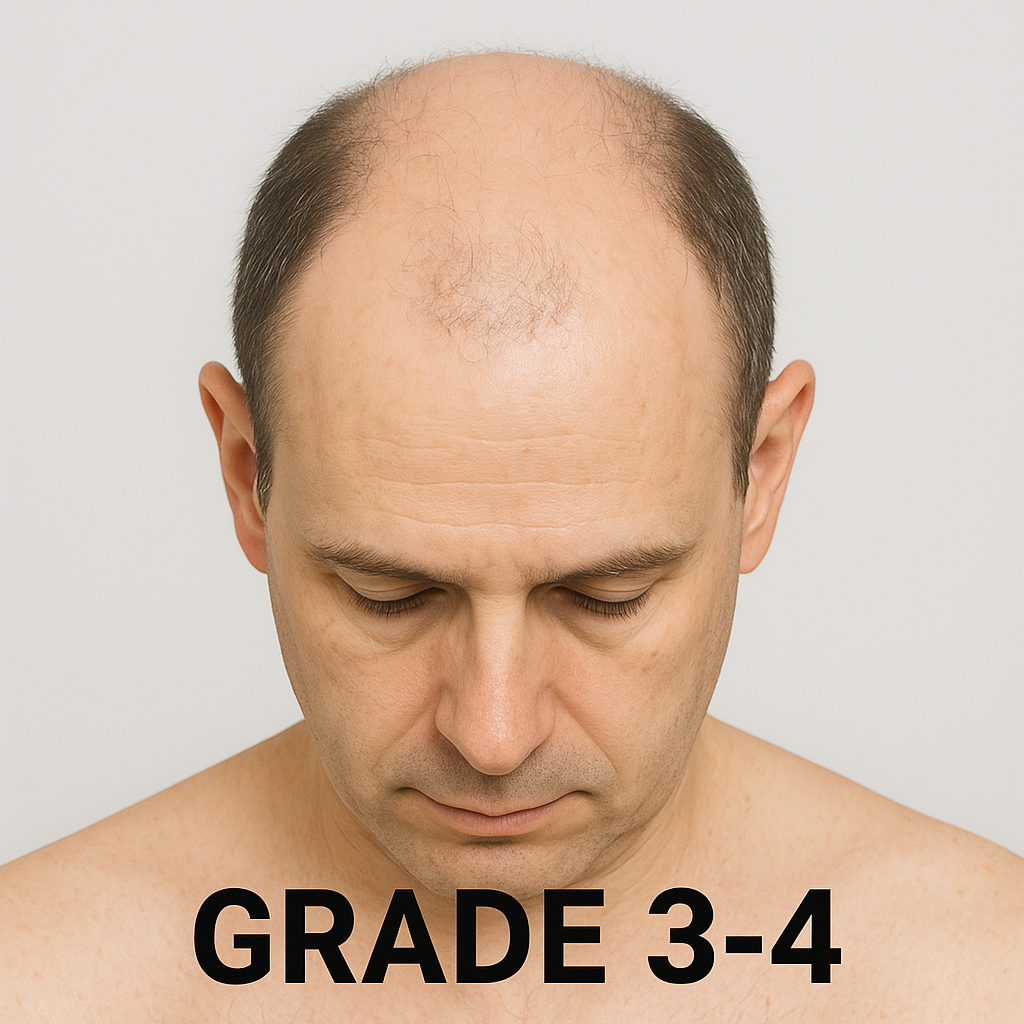
Grade 3-4
Defined baldness. Ideal candidates requiring 3000-4500 grafts for hairline/top.
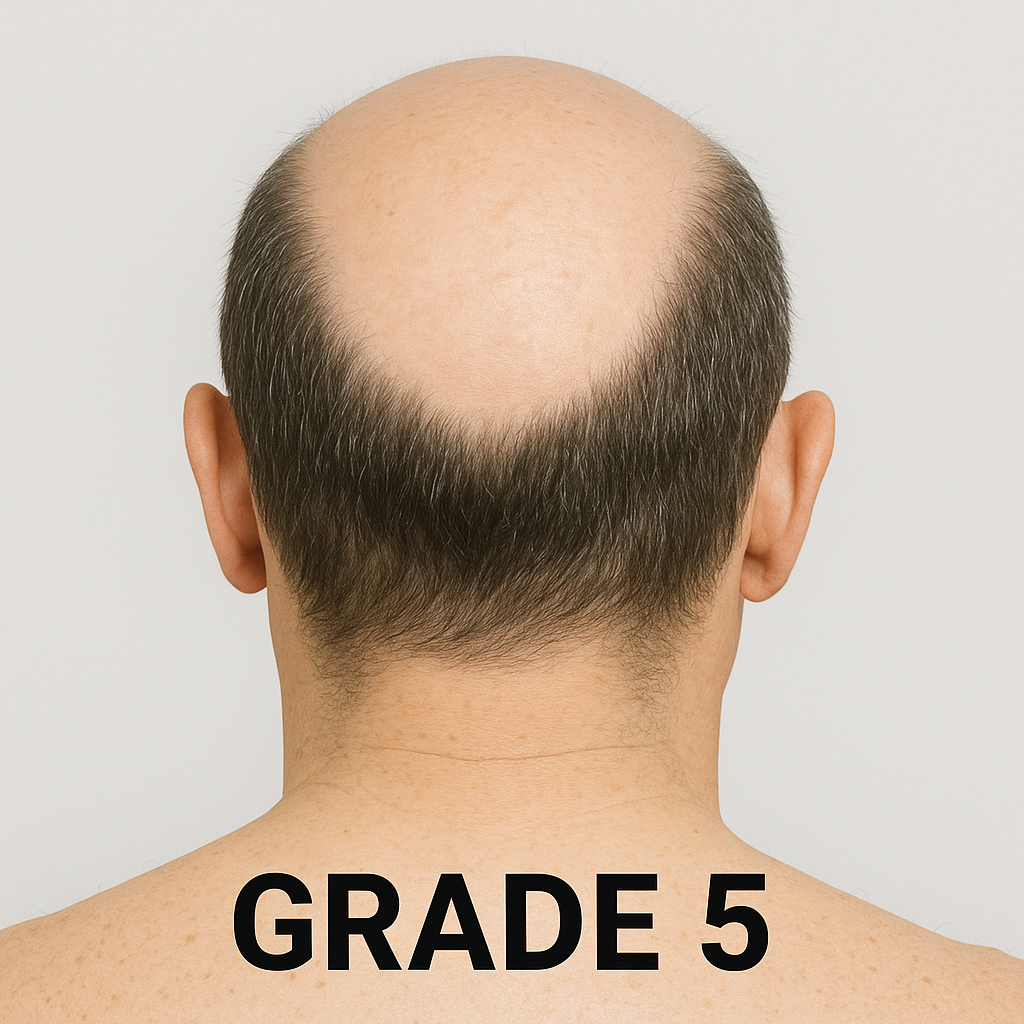
Grade 5
Significant hair loss. Requires 5000-6000+ grafts for good coverage.
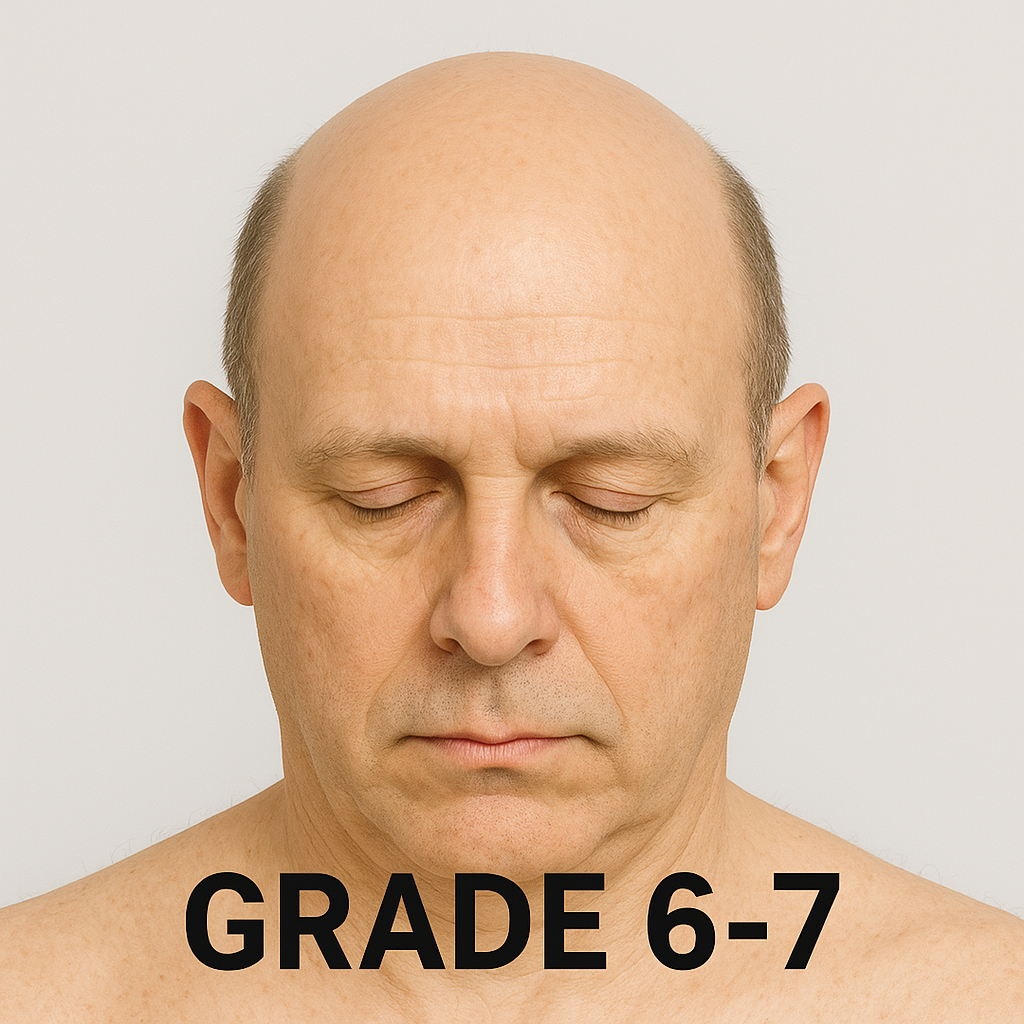
Grade 6-7
Extensive baldness. Requires large sessions (8000-10,000+), often using combination techniques and body hair.
Frequently Asked Questions
Your top questions about hair restoration, answered.
Is a hair transplant permanent?
Yes. The transplanted hair is taken from the "permanent donor zone," where follicles are genetically resistant to the hormone (DHT) that causes balding. They retain this resistance for life, even when moved to a new location.
Why does the crown (vertex) seem harder to cover?
The crown presents two challenges. First, its spherical shape has a larger surface area than the front, requiring more grafts for the same perceived density. Second, the hair grows in a complex spiral or "whorl" pattern, which is difficult to replicate and makes the scalp more visible from multiple angles.
What is the difference between a graft and a follicle?
A follicle is a single hair root. A graft (or follicular unit) is a naturally occurring bundle of 1 to 5 hair follicles. A successful transplant aims to move these entire units intact to ensure the most natural result and highest survival rate.
Does hair transplant work for women?
Absolutely. Female hair transplant is highly effective and increasingly common for lowering high hairlines, filling in thinning areas (especially the part line), and restoring density lost due to various factors. Techniques are adapted to female hair patterns and needs.
What is 'shock loss'?
Shock loss is a temporary shedding of some native hair surrounding the newly transplanted grafts. It's a normal response to the stress of the procedure on the scalp. This hair almost always grows back fully within 3 to 5 months, along with the new transplanted hair.